The site is currently undergoing maintenance. We apologize for the inconvenience.

- Home
-
For students
- Class schedule
- Class Schedule
- Employment
- Student self-government
- Student Organizations
- Student Committee
- Elective Courses
- Instructions
- Campus Building Plan
- Non-formal education
- Student Science
- Practice
- Department of Military Training
- Tuition and dormitory fees
- Moodle educational platform
- Instructions
- PS - Performance Journal
- For applicants
- Activities
- About NUWEE
SEMINAR "RELAXATION THERAPY: FROM STRESS REDUCTION TO RESTORATION OF BODY RESOURCES"
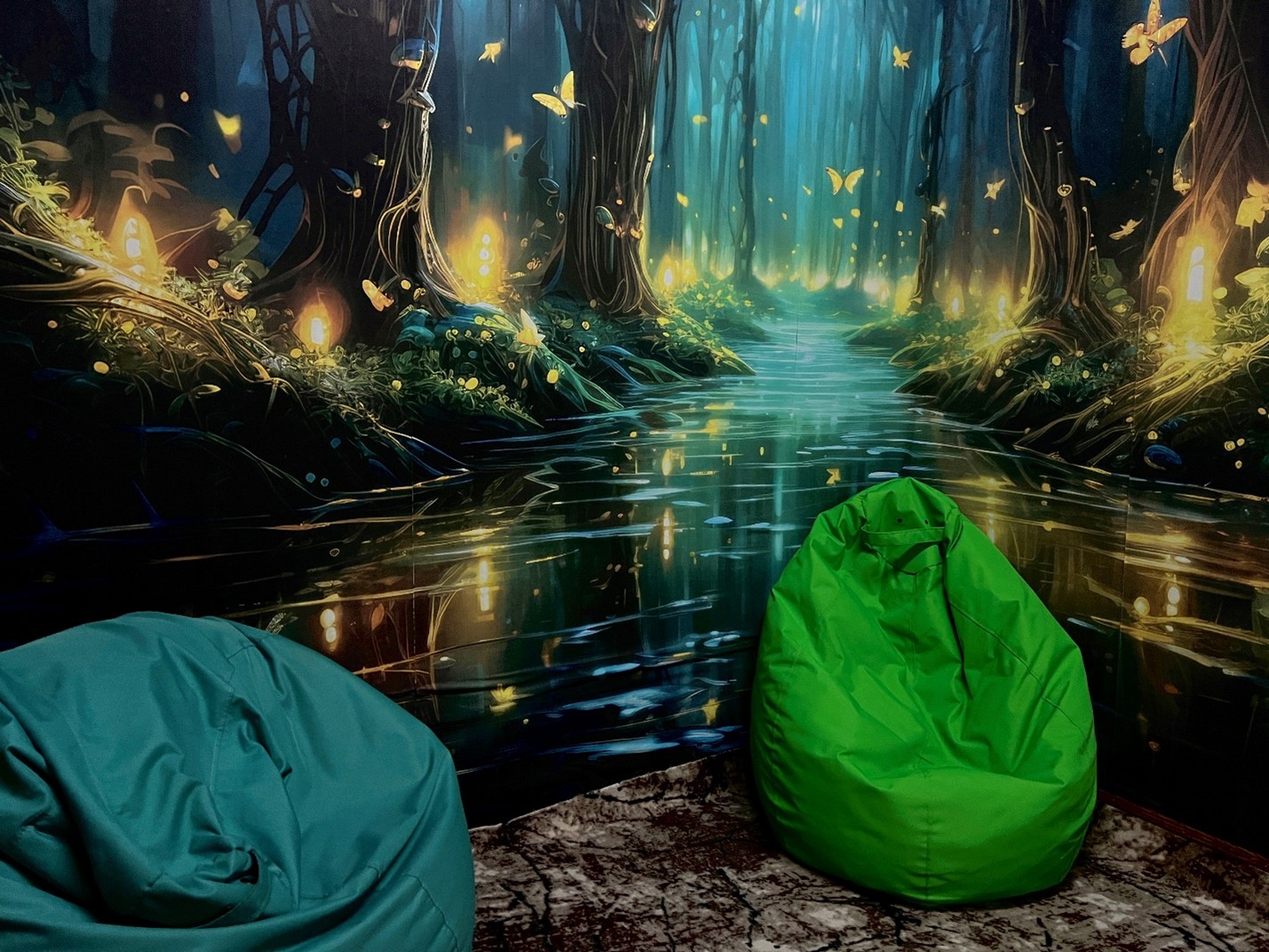
Within the practice-oriented seminar, participants of the scientific club Rehab-Skills: Explore, Compile, Implement thoroughly studied modern approaches to the application of relaxation therapy as an important component of comprehensive rehabilitation.
During the theoretical stage, participants of the scientific club Rehab-Skills: Explore, Compile, Implement examined the physiological mechanisms of stress, the impact of chronic tension on the body, and the role of relaxation techniques in restoring the psychoemotional and physical state of the patient. Special attention was given to the relationship between the nervous system, muscle tone, and pain syndrome.
In the discussion, participants of the scientific club Rehab-Skills: Explore, Compile, Implement analyzed the indications for the application of relaxation therapy in working with various categories of patients, particularly in cases of chronic pain, anxiety disorders, sleep disturbances, post-traumatic states, and overload of the musculoskeletal system.
The practical part of the seminar allowed participants of the scientific club Rehab-Skills: Explore, Compile, Implement to master basic relaxation techniques, including: breathing exercises, progressive muscle relaxation, elements of body-oriented therapy, and mindfulness approaches.
During the exercises, participants of the scientific club Rehab-Skills: Explore, Compile, Implement learned to control their breathing, reduce muscle tension, and develop self-regulation skills that can be integrated into the rehabilitation program.
Particular attention was given by the participants of the scientific club Rehab-Skills: Explore, Compile, Implement to creating a favorable therapeutic environment, using music accompaniment, lighting, and spatial organization as components of effective relaxation therapy.During the reflection, participants of the scientific club Rehab-Skills: Explore, Compile, Implement noted the importance of combining physical and psycho-emotional methods of influence, as well as the appropriateness of using relaxation techniques both in working with patients and for preventing professional burnout among future specialists.